
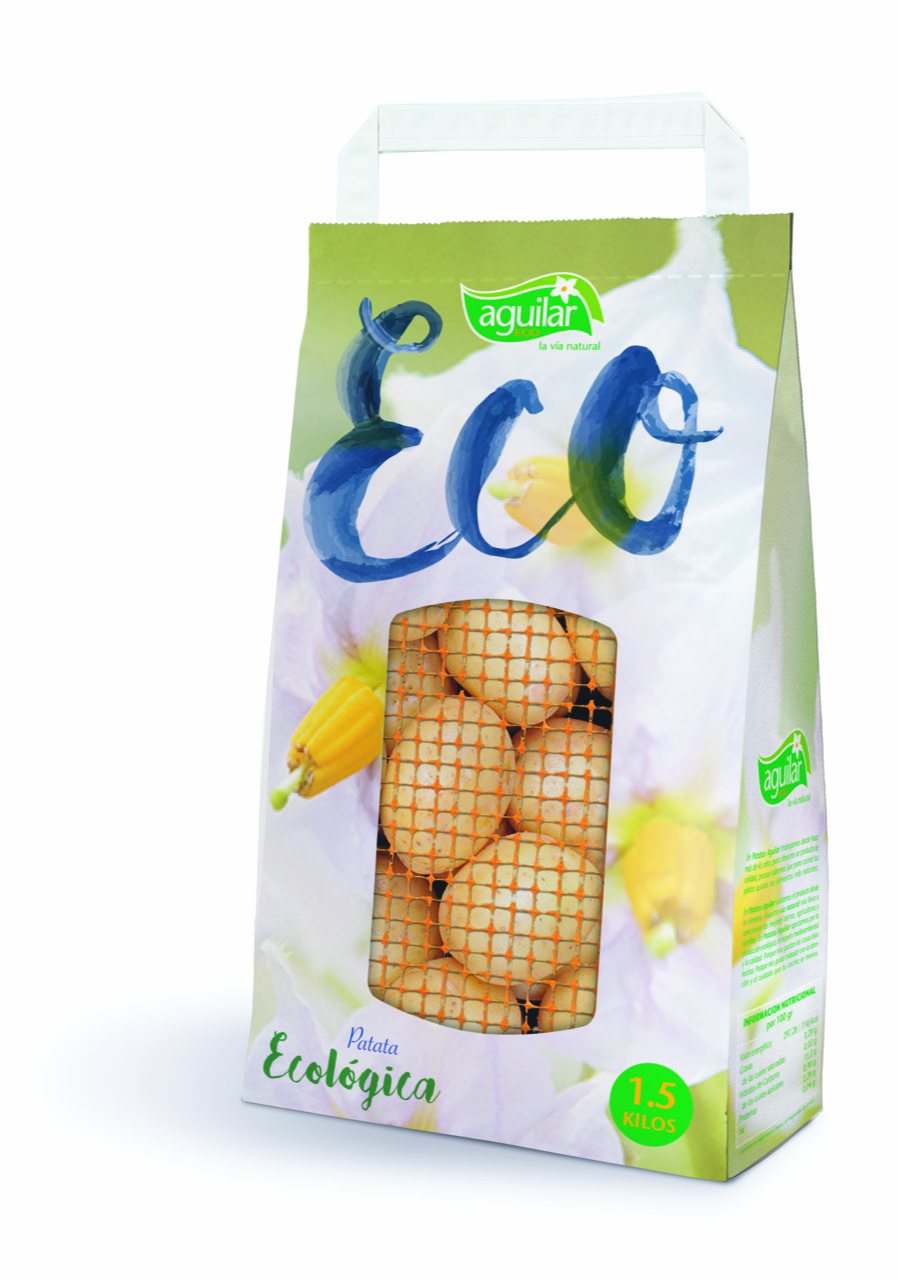
The plethora of information on food product labels can sometimes lead to confusion, so we wanted to briefly explain what the Organic Farming label means and what implications it has.
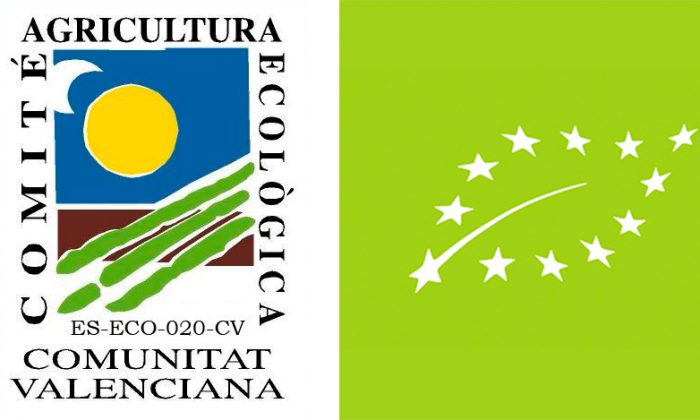
The ECO label (which we can sometimes find next to the Biological or Organic label, although they provide no more information) is included in Regulation (EC) 834/2007 and its subsequent laws; only foods that comply with this law and are approved by the corresponding committees can carry these labels.
What are the implications of the EU ECO label?
This labelling certifies the exhaustive care taken throughout the product food chain and of the environment.
Organic foods are produced naturally; that is, without any artificial intervention. The seed must also be organic and both the land and water used for its sowing and irrigation must be completely decontaminated and free of artificial fertilisers and pesticides.
This label also guarantees that the food has not been genetically modified.
It must be produced sustainably, being respectful of the environment; while the natural cycles of the different parts of the ecosystem must be guaranteed to have been respected.
The label is for EU-certified organic food. Also, if it is positioned next to the Valencian Community label, it is also a local product.
What is a local product and what benefits does it have?
Foods produced or processed nearby are called local or zero-kilometre products; they have the following benefits:
They are generally seasonal products and so are more healthy. As seasonal foods ripen naturally, they contain more nutrients.
They are more sustainable and reduce the carbon footprint. Eliminating transport and the waste and packaging used to preserve food until its destination is more environmentally friendly.
They reduce food product waste. Sometimes, food transportation suffers problems derived from breaking the cold chain, packaging deficiencies or general exposure to risks that can lead to the disposal of these foods, due to not complying with the quality control of sales establishments.
They help promote the local economy. Supporting local companies by acquiring these foods promotes the economy of the region and encourages agricultural work. It also guarantees farmers a fairer price for their products by eliminating intermediaries.
Thus, when products carry these labels, you know exactly what you are buying and what the requirements and implications of buying organic and local products are.